This video demonstrates how to change filters on a sump-style reverse osmosis system
commonly found in homes in Houston, Cypress, Katy, Tomball, Spring, Magnolia, Copperfield, Jersey Village, The Woodlands, and surrounding areas. Many homeowners search for terms like “how to change RO filters,” “reverse osmosis sump leaking,” “dirty RO water,” “carbon filter clogged,” “RO system low pressure,” “bad taste water,” and variations of “RO not working.” This transcript is designed to help search engines index the full process and terminology.
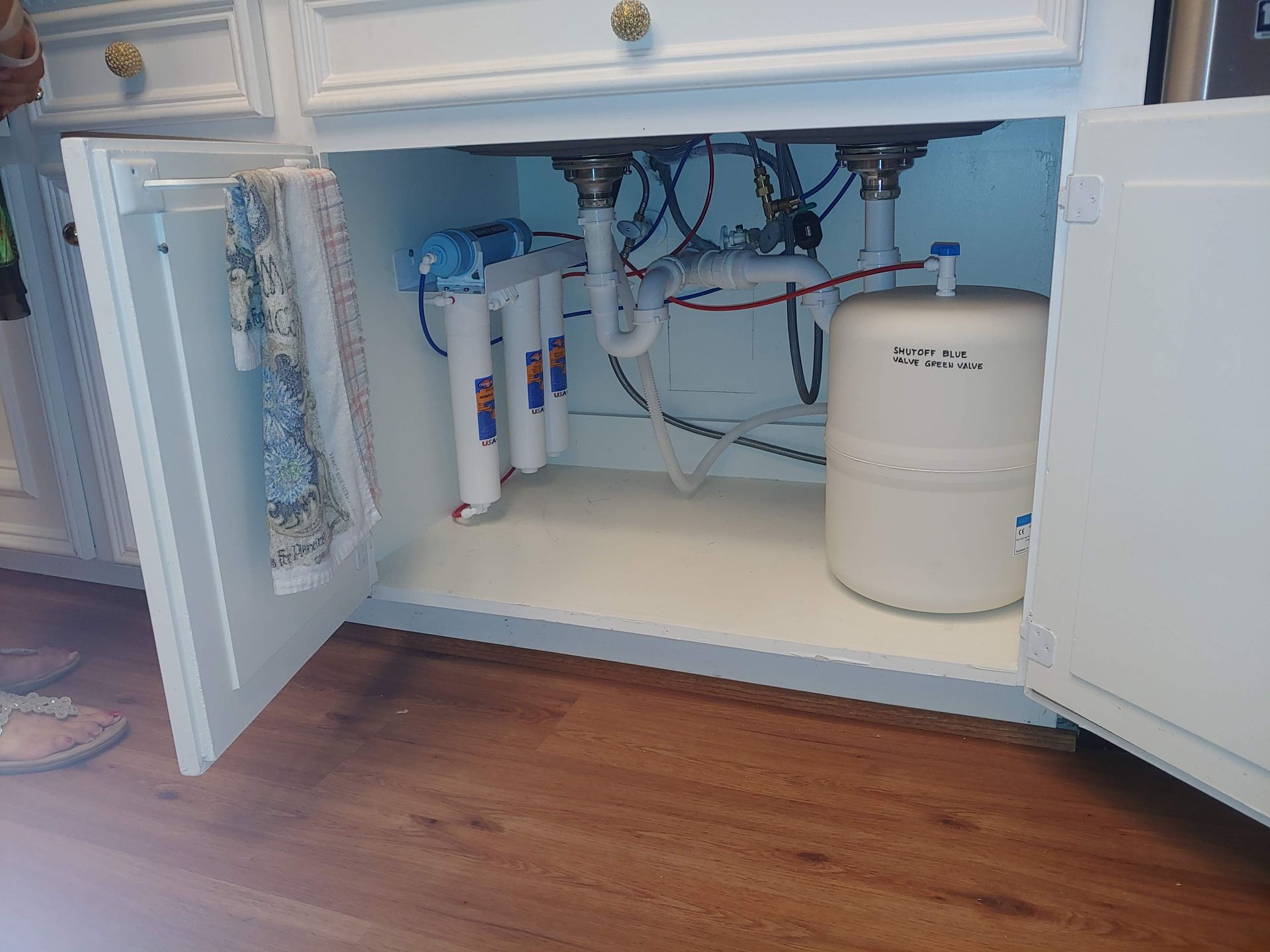
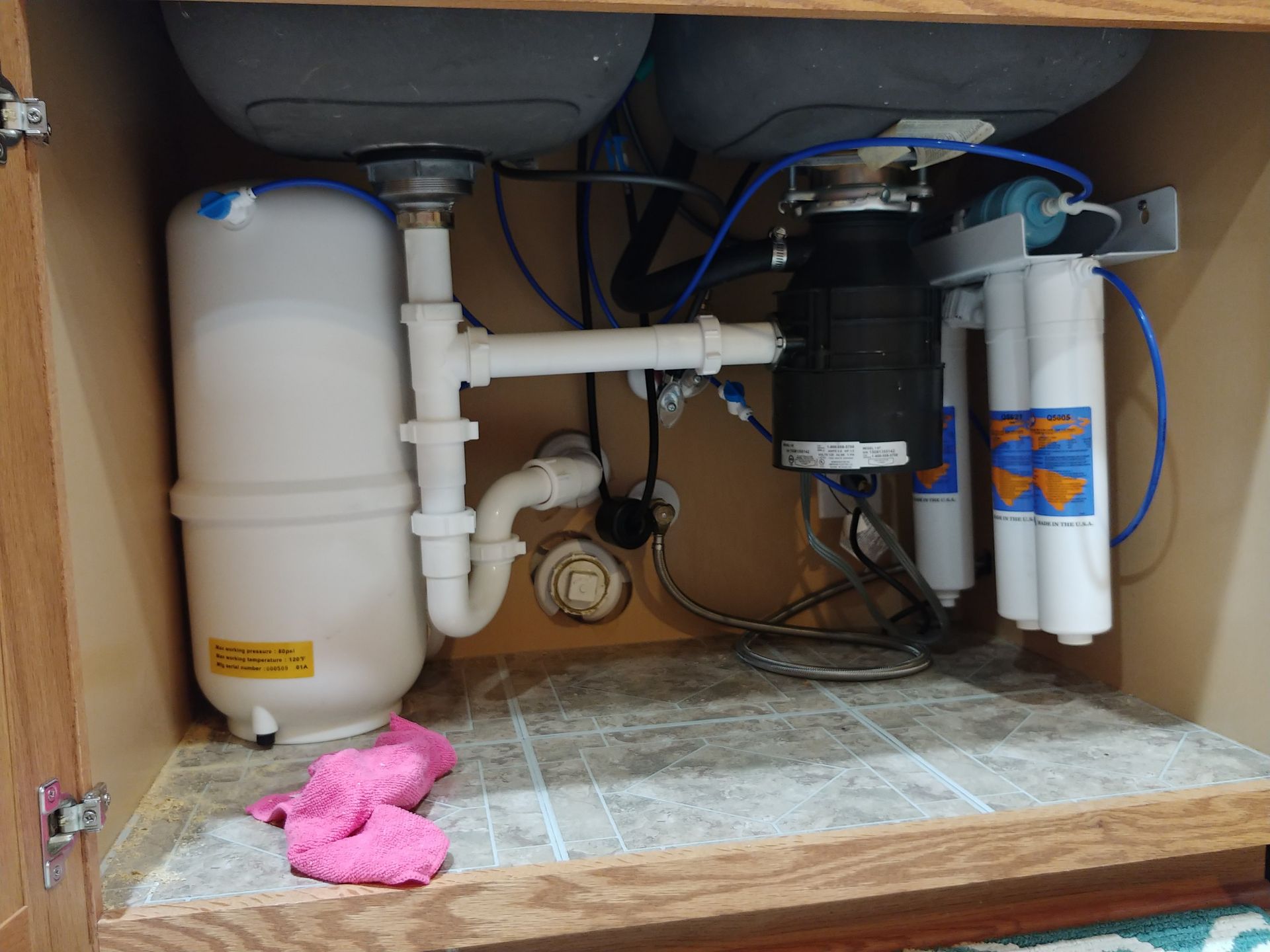
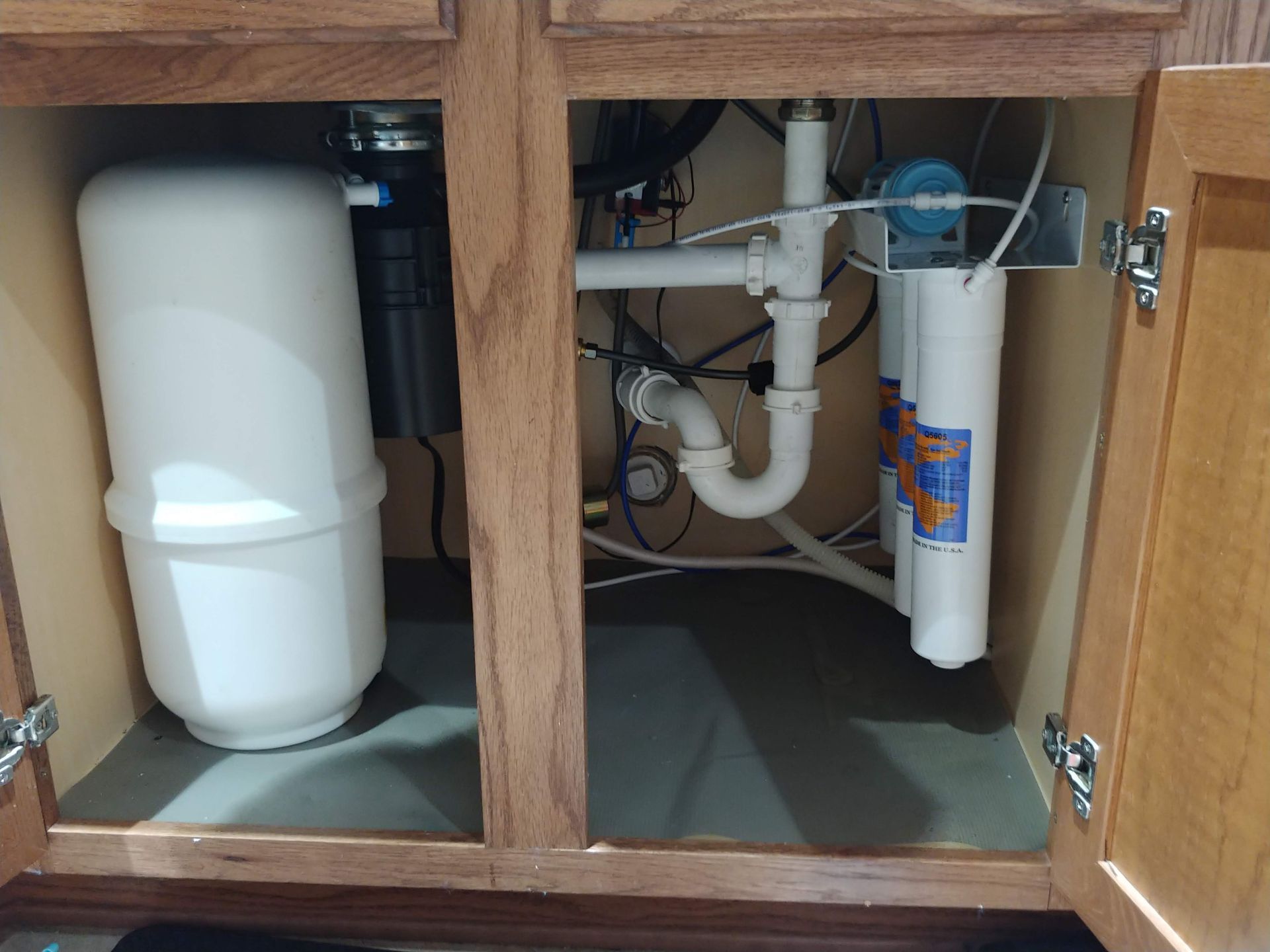
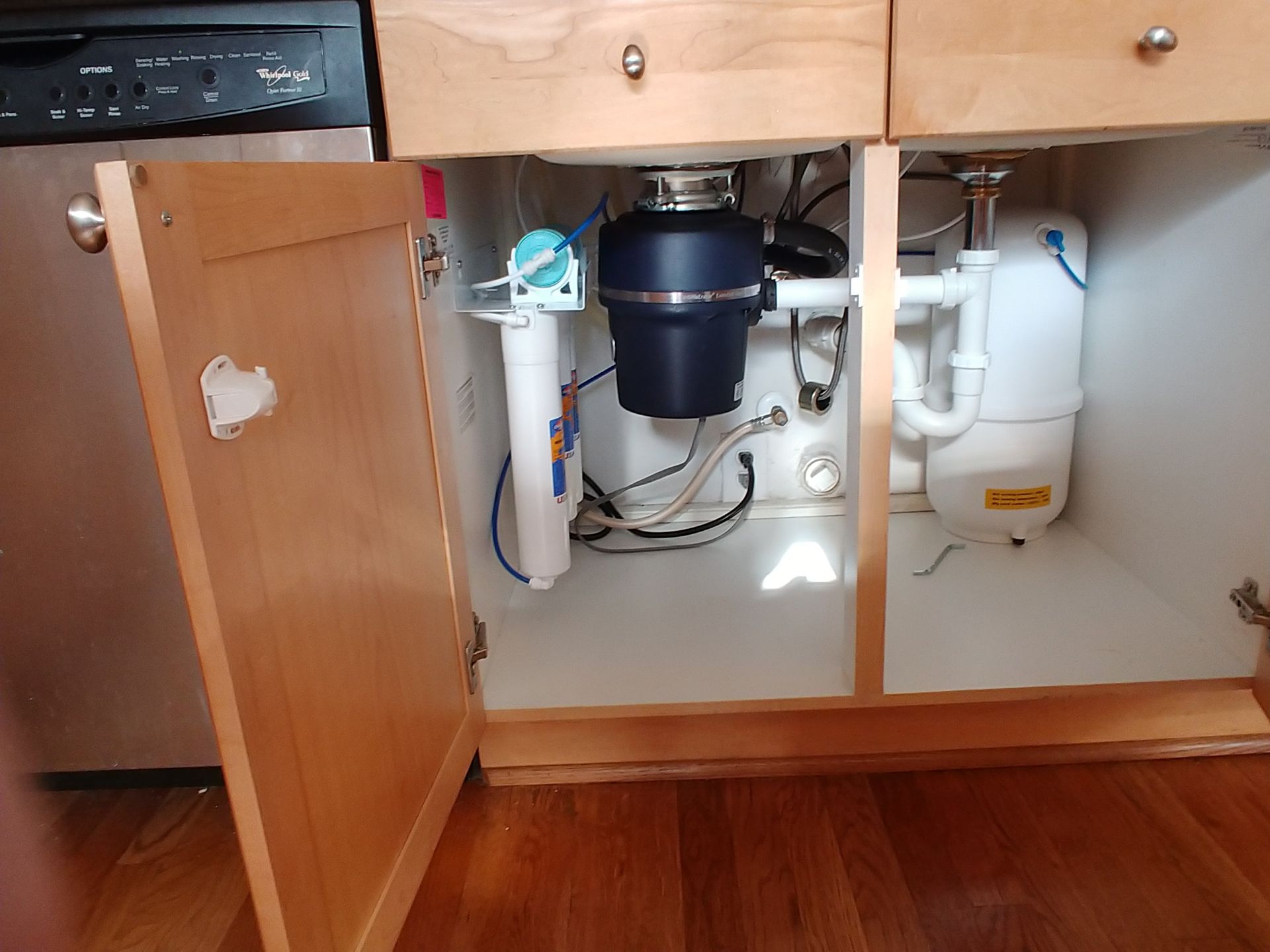
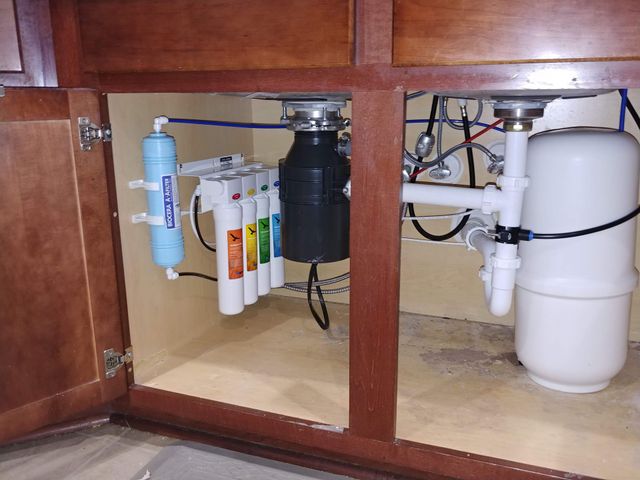
The sump housings shown in the video are typical of older RO systems. Homeowners often report difficulty removing RO sumps, stuck housings, water spilling everywhere, dirty sediment filters, clogged carbon filters, and weak water pressure. These symptoms appear when RO filters have not been changed for 6–12 months or when Houston-area water with high sediment levels overloads the filter set.
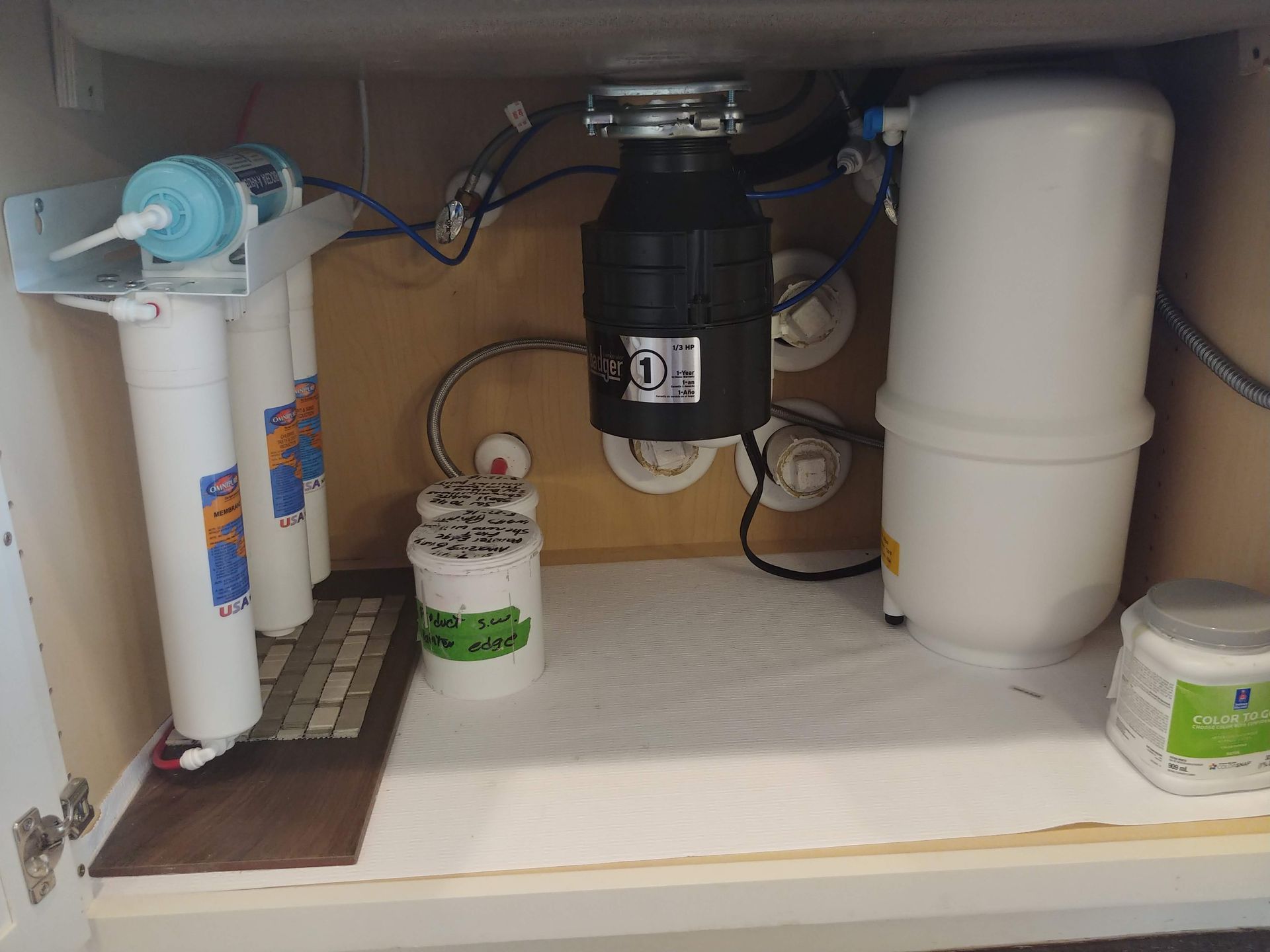
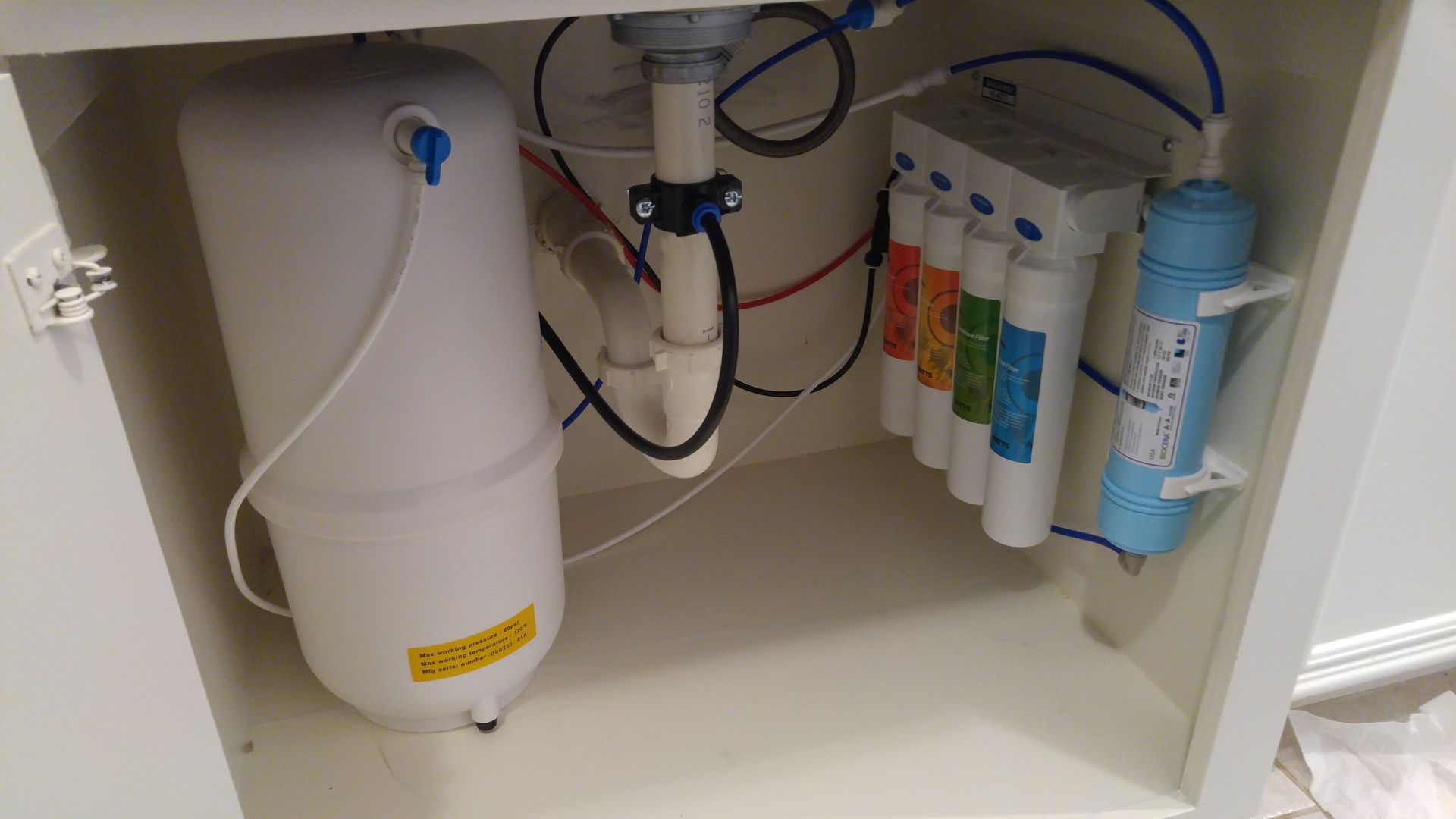
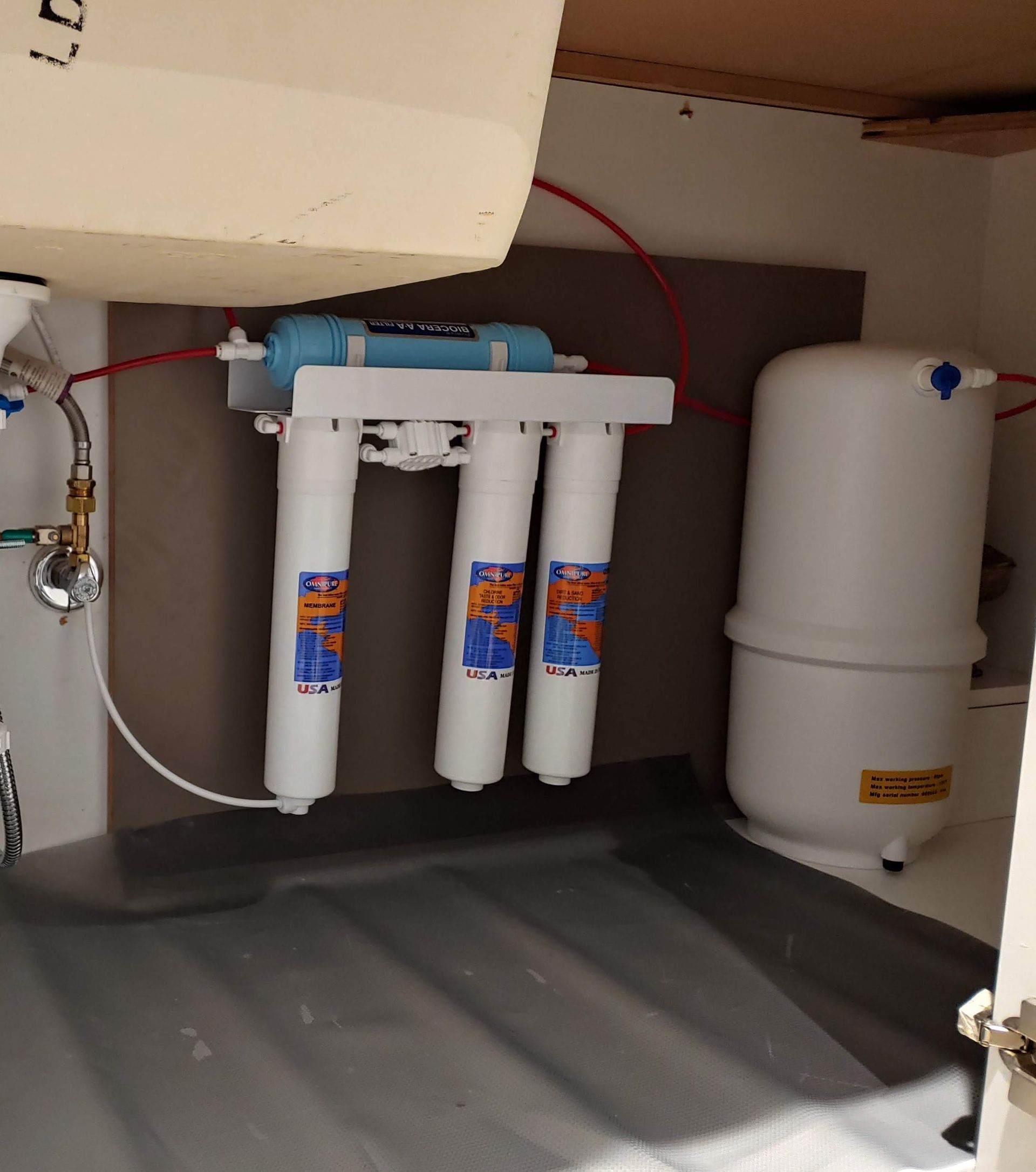
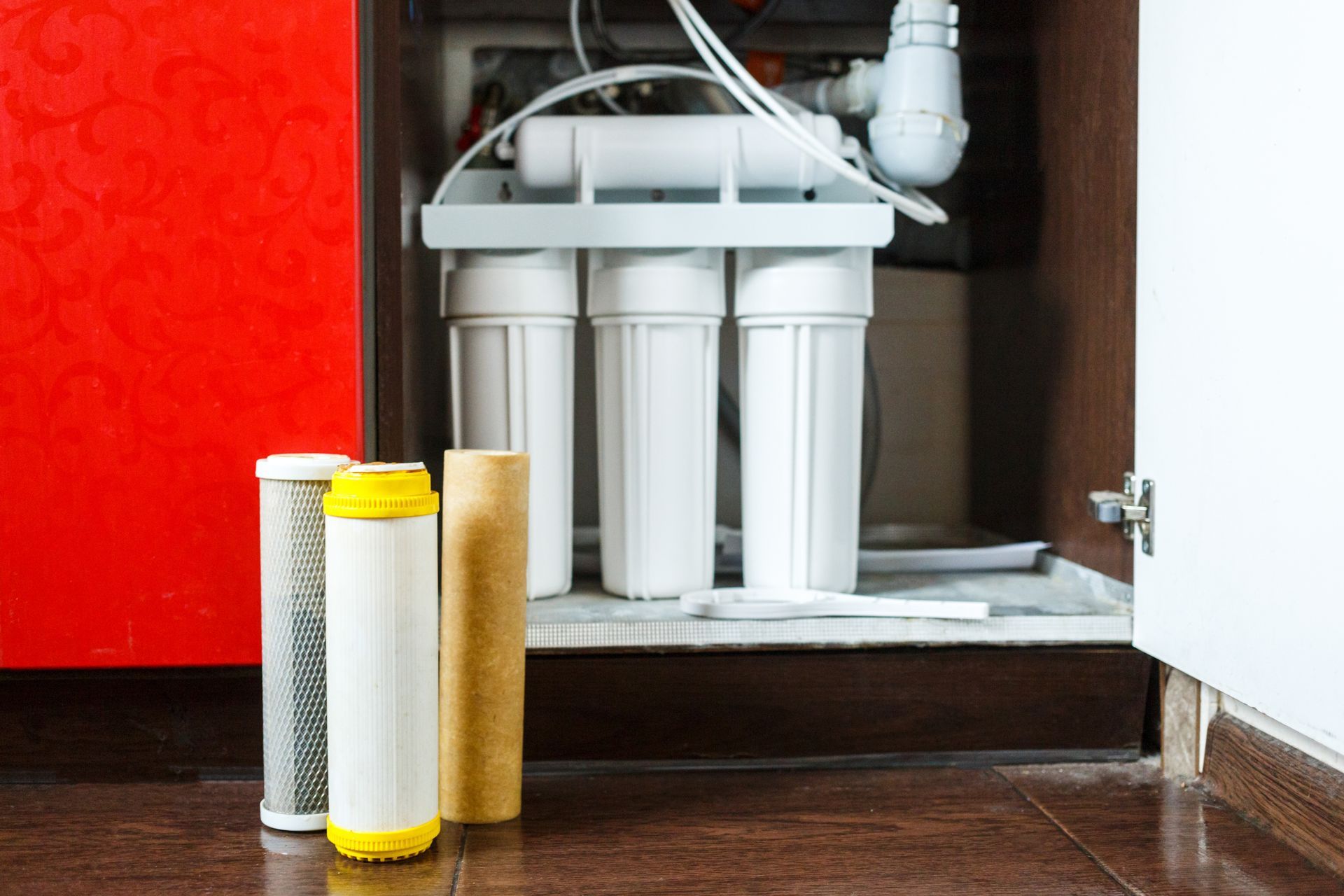
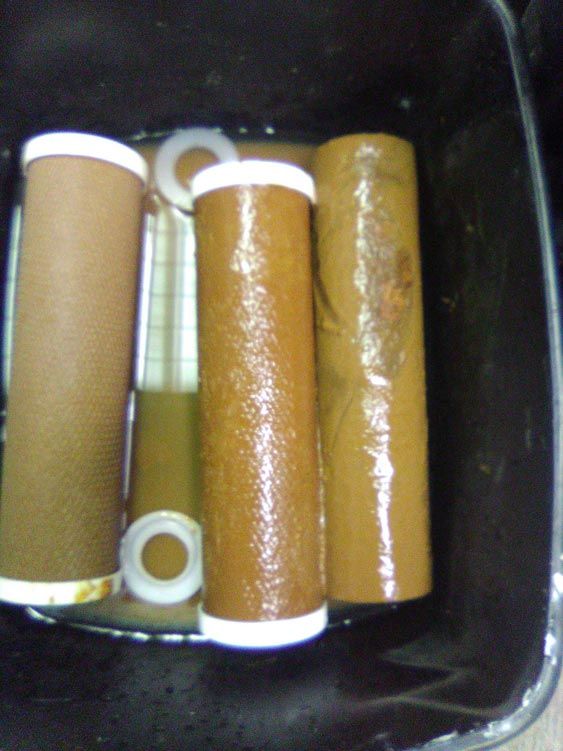
During the filter change, the sump wrench is used to loosen each housing. The housings contain sediment, carbon block, and post-carbon polishing filters, and usually sit in the order: sediment → carbon → carbon → membrane. In many Houston neighborhoods—including Cypress, Katy, Tomball, and Spring—water carries fine particulate matter, causing sediment filters to discolor from white to orange/brown, often allowing dirt to travel all the way through
the sediment filter and directly into the carbon filters.
The video shows filters that are completely saturated, dark brown, and full of accumulated debris. When sediment filters clog, the dirt penetrates into the carbon filters, reducing membrane life and causing common homeowner complaints such as:
- RO water tastes bad
- RO pressure is weak
- RO faucet only drips
- Reverse osmosis takes forever to refill
- RO filters are black, brown, or slimy
- RO water smells odd
- RO system isn’t making water
- RO keeps running
- RO tank never fills
- Filters clogged in Houston water
- Dirty RO water in Cypress, Katy, Tomball, Spring
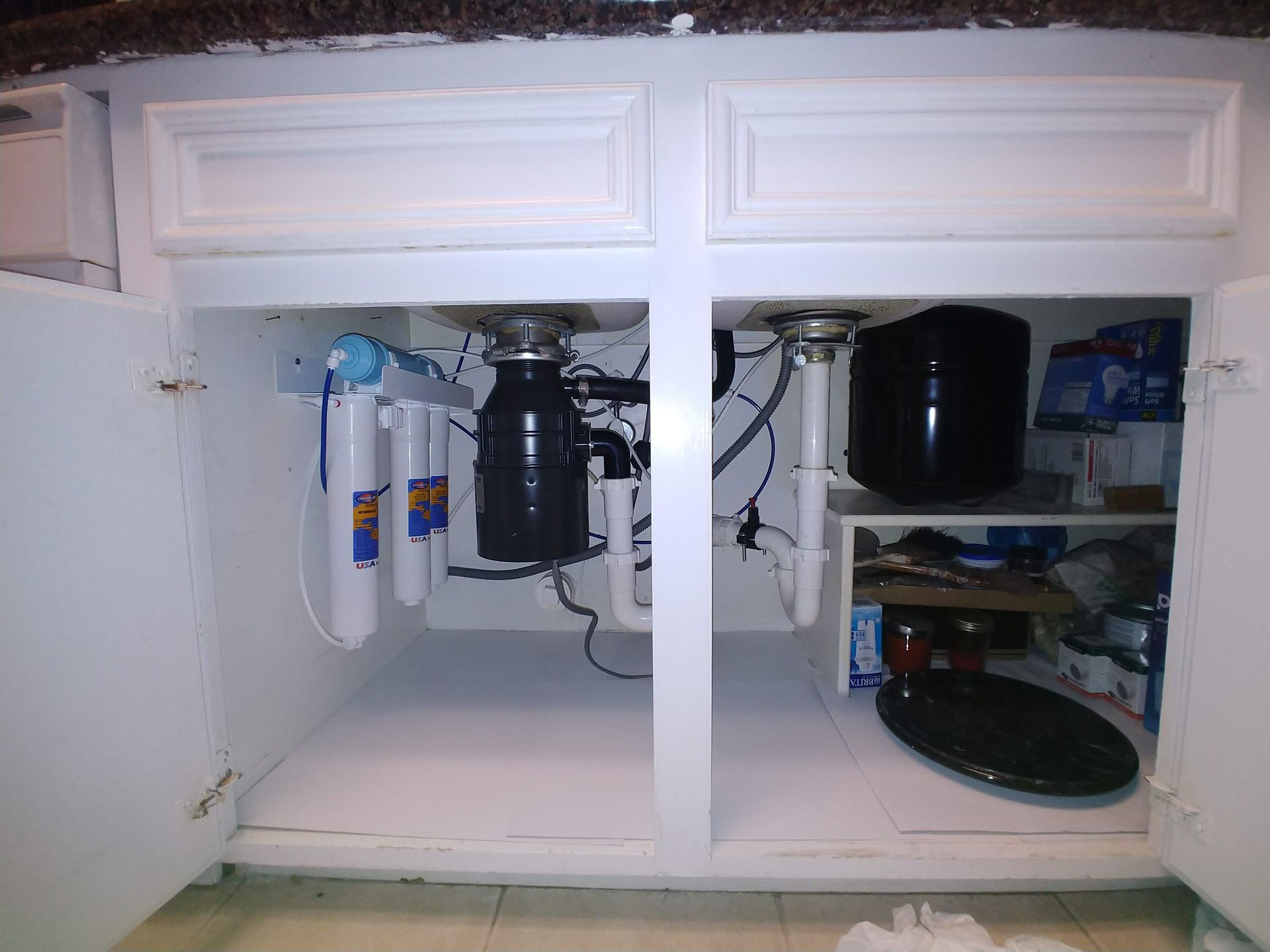
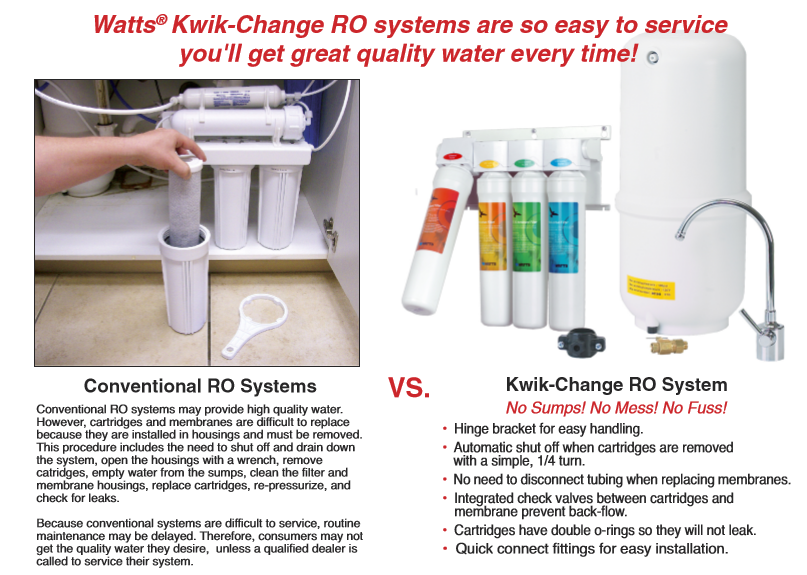
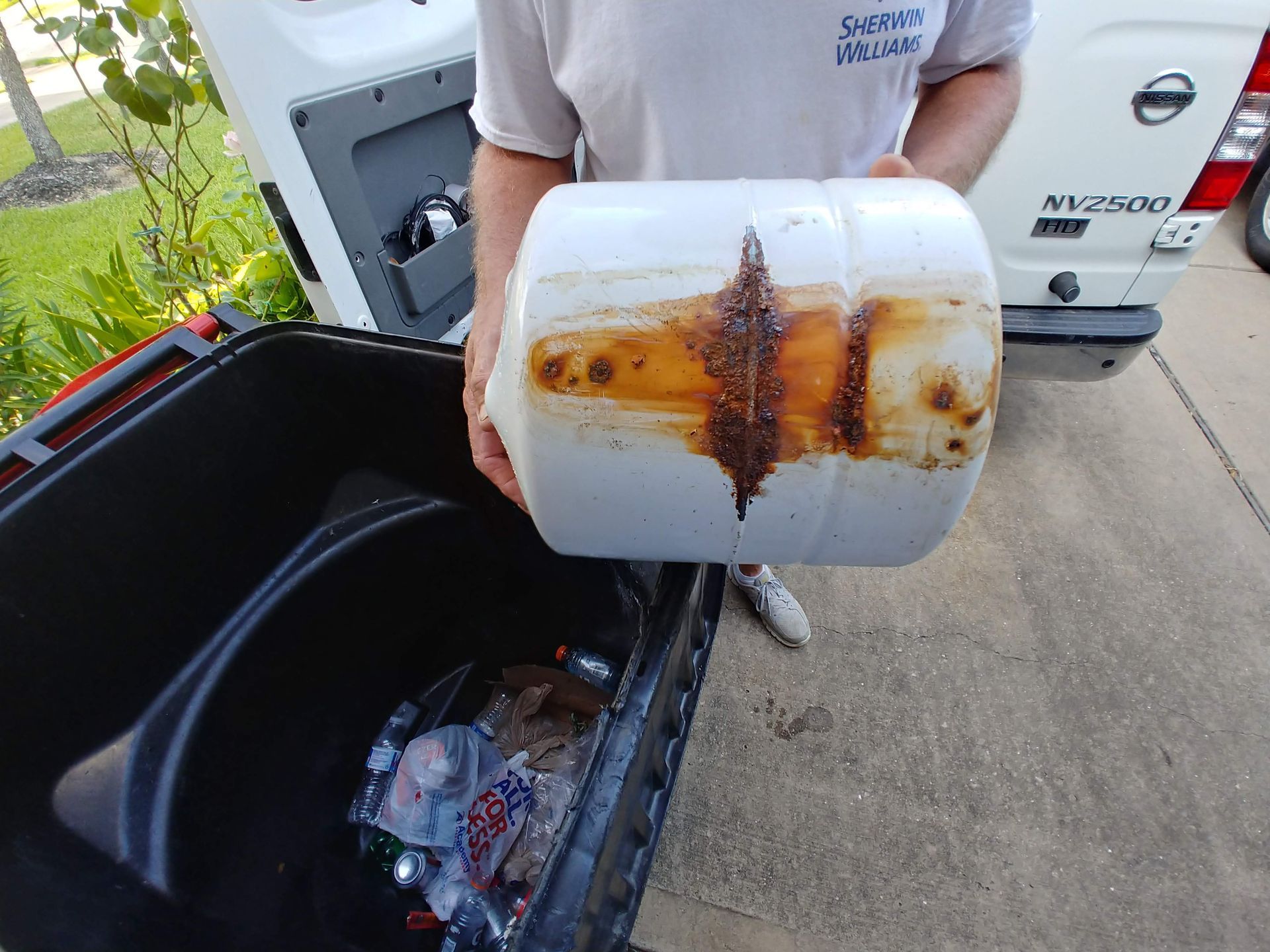
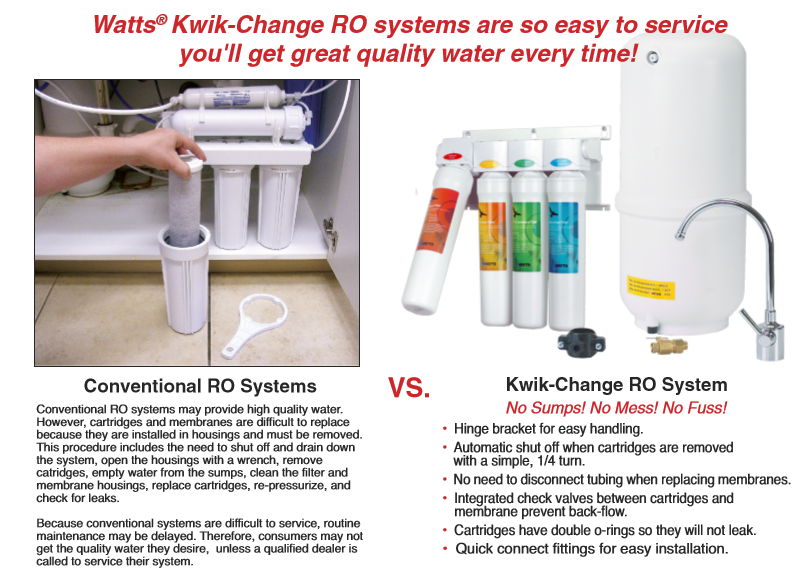
Sump-style RO systems are known for being awkward, messy, and prone to leaks
during filter changes. When the unit is twisted, rotated, or shifted under the sink, tubing and fittings loosen, leading to leaks after reinstallation. Many homeowners in greater Houston search for “RO leaks after filter change” and “reverse osmosis leaking under sink” for this exact reason.
After removing the old filters, the housings must be disinfected and rinsed to prevent bacterial growth. Dirty housings can lead to cloudy water, bad taste, and odor. The video includes cleaning and disinfecting of:
- Sump housings
- Housing caps
- Internal O-ring grooves
- Threaded sealing surfaces
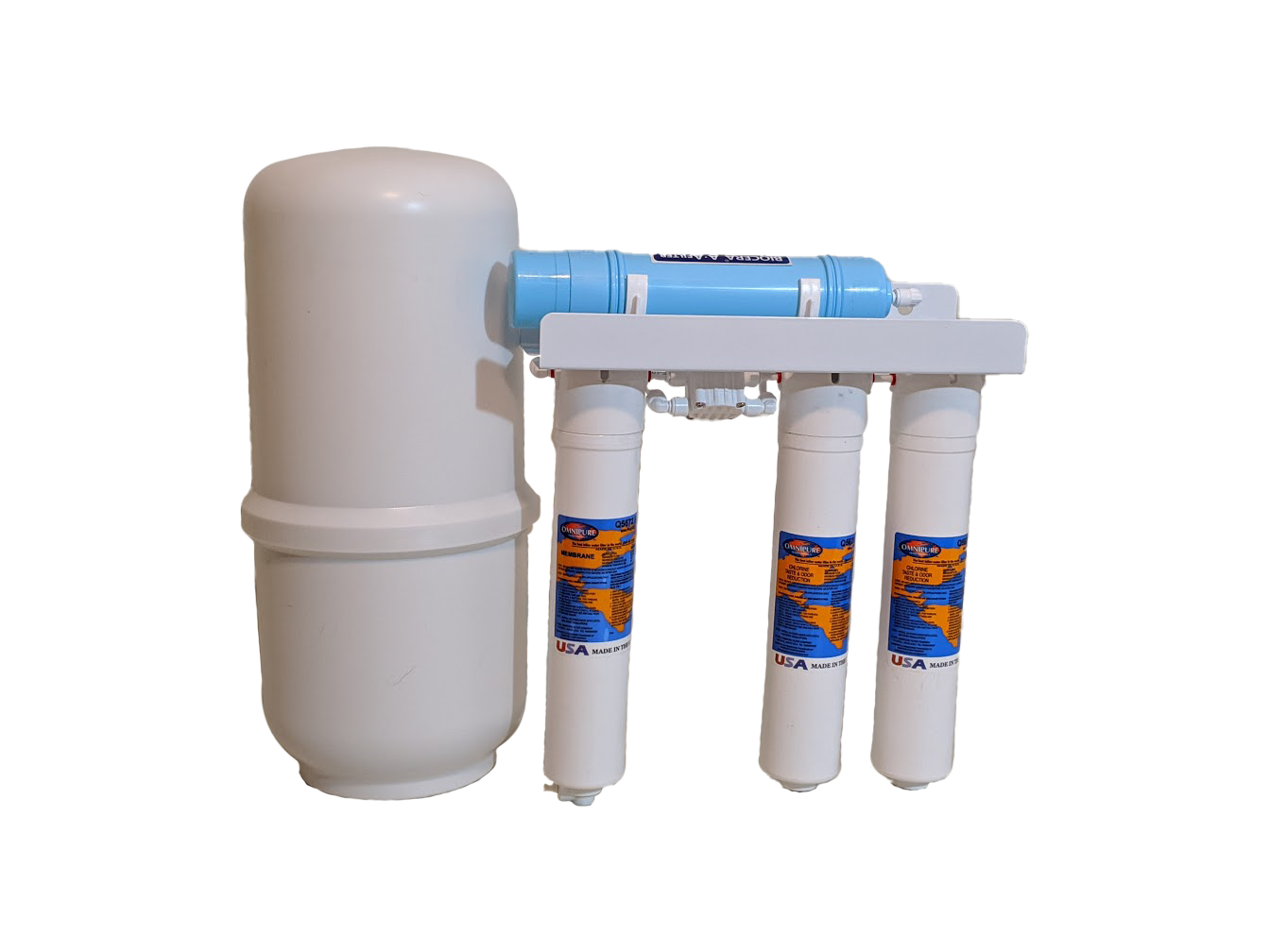
The system featured in this video contains one sediment filter, two carbon filters, and then the RO membrane. In a typical Houston home without pre-treatment, these filters should be replaced annually to protect the membrane from chlorine and sediment.
However, for homeowners using a whole-house water filtration system
such as a catalytic carbon system, chloramine removal system, or the Chemfree Platinum Series, the RO prefilters act primarily as sediment filters, meaning they:
- stay cleaner longer
- can be replaced less frequently
- cost less to maintain
- extend membrane life significantly
This transcript aligns with search queries such as: RO filter change Houston, reverse osmosis maintenance Katy, RO system clogged Tomball, RO sump stuck, RO water pressure low Cypress, dirty RO filters, how to clean RO housings, reverse osmosis sediment filter dirty, carbon filter black, RO leaking after filter change, best RO system Houston, and why sump-style RO systems leak.
The purpose of the video is to show the full RO filter-changing process, the condition of old filters, the cleaning procedure, and the common issues caused by sump-style RO systems throughout the Houston metropolitan area.